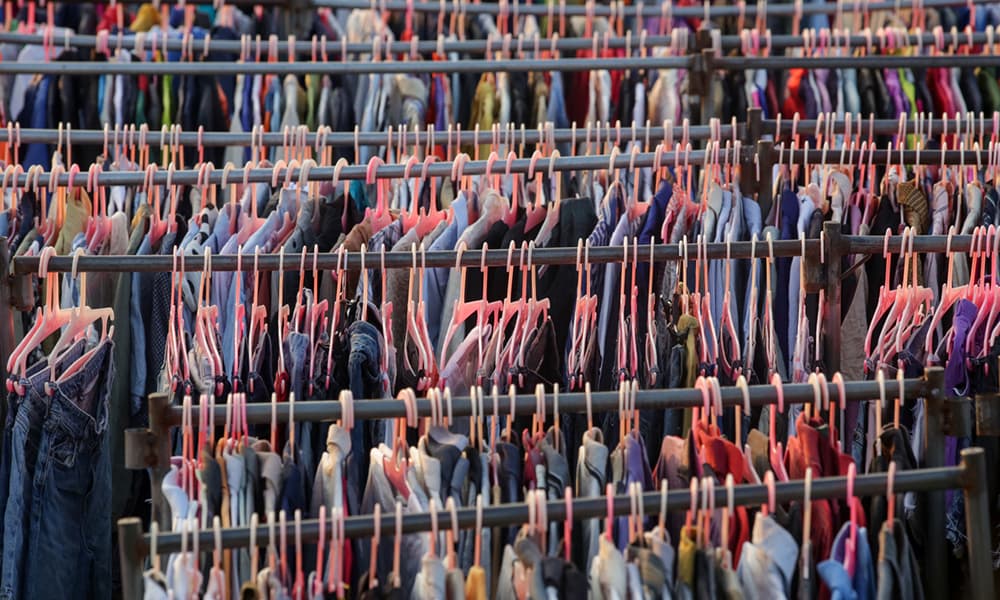
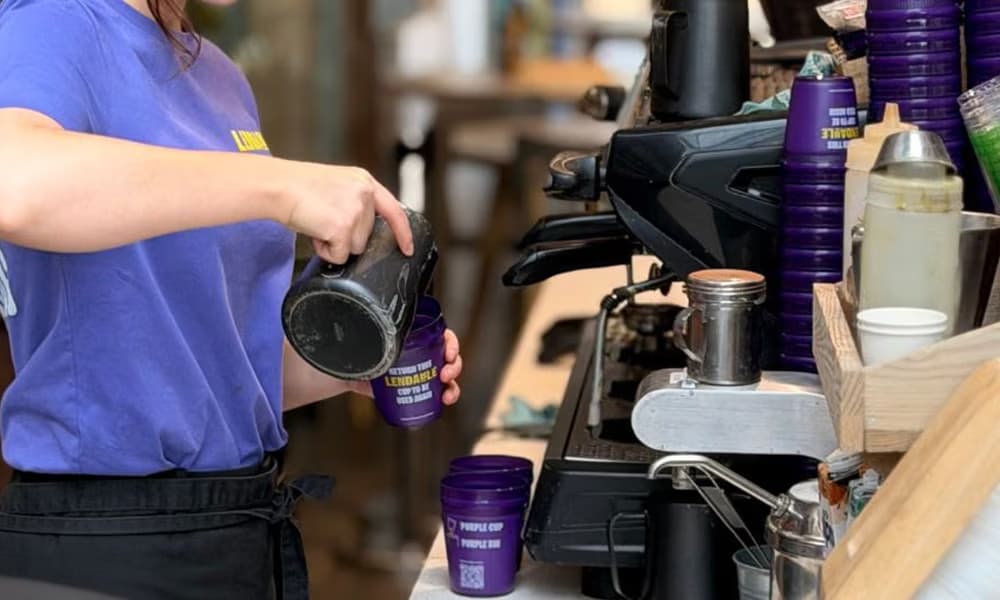
Textile recycling surges as major UK retailers and Oxfam launch a collaborative circular economy initiative.
New Look, M&S, Sainsbury’s, and Oxfam have partnered on a new circular textile project, signaling a significant retail-led push into clothing reuse and recycling infrastructure. This collaboration directly addresses the mounting pressure on retailers to manage post-consumer textile waste and moves beyond individual corporate initiatives to a consolidated effort.
The project, launching with immediate effect, aims to establish more efficient collection, sorting, and reprocessing pathways for used garments. This multi-stakeholder model could set a precedent for broader industry responsibility, shifting the burden from municipal waste streams and creating new opportunities for textile recyclers.
UK Retailers Drive Collaborative Textile Recycling Initiative
The joint venture marks a strategic alignment between major UK fashion and grocery retailers and a prominent charity to tackle textile waste. This move comes as the European Union considers stricter Extended Producer Responsibility (EPR) regulations for textiles, compelling brands to fund and manage the end-of-life of their products. The UK, while not yet having a comprehensive textile EPR, faces similar waste challenges, with an estimated 350,000 tonnes of clothing sent to landfill or incineration annually.
- New Look, M&S, and Sainsbury’s represent a combined market share that significantly impacts the volume of textiles entering the waste stream.
- Oxfam brings established collection networks and expertise in textile sorting and redistribution, processing tens of thousands of tonnes of clothing each year.
- The project focuses on developing scalable solutions for textile take-back, sorting, and material-to-material recycling.
- Initial efforts will target improving the quality and quantity of textiles collected for reuse and recycling, reducing contamination rates.
- This collaboration seeks to develop a blueprint for a more circular textile economy in the UK, potentially influencing future policy.
Operational Implications for Textile Recyclers and Collectors
This joint project will directly influence the operational landscape for textile recyclers and collectors. Increased and potentially cleaner feedstock volumes are expected, driven by retailer-backed collection points. Recyclers specializing in fiber-to-fiber technologies stand to gain, as the initiative aims to increase the percentage of textiles suitable for high-value recycling rather than downcycling. Conversely, smaller, informal collectors might face increased competition or consolidation pressure as major players standardize collection and sorting. This partnership signals a move towards more industrialized, data-driven textile recovery processes, necessitating investment in advanced sorting and processing technologies for those looking to participate.
What This Means for Recyclers
Recyclers must prepare for an anticipated surge in textile volumes and a demand for higher-quality, segregated materials. Investment in automated sorting technologies and partnerships with fiber-to-fiber reprocessing facilities will become critical. Operators should also monitor the project's success metrics, as these will likely inform future UK government policy on textile EPR, potentially mandating specific recycling targets and material specifications. This initiative creates a clearer pathway for commercial engagement in textile circularity, moving beyond ad-hoc arrangements to more structured supply chains.