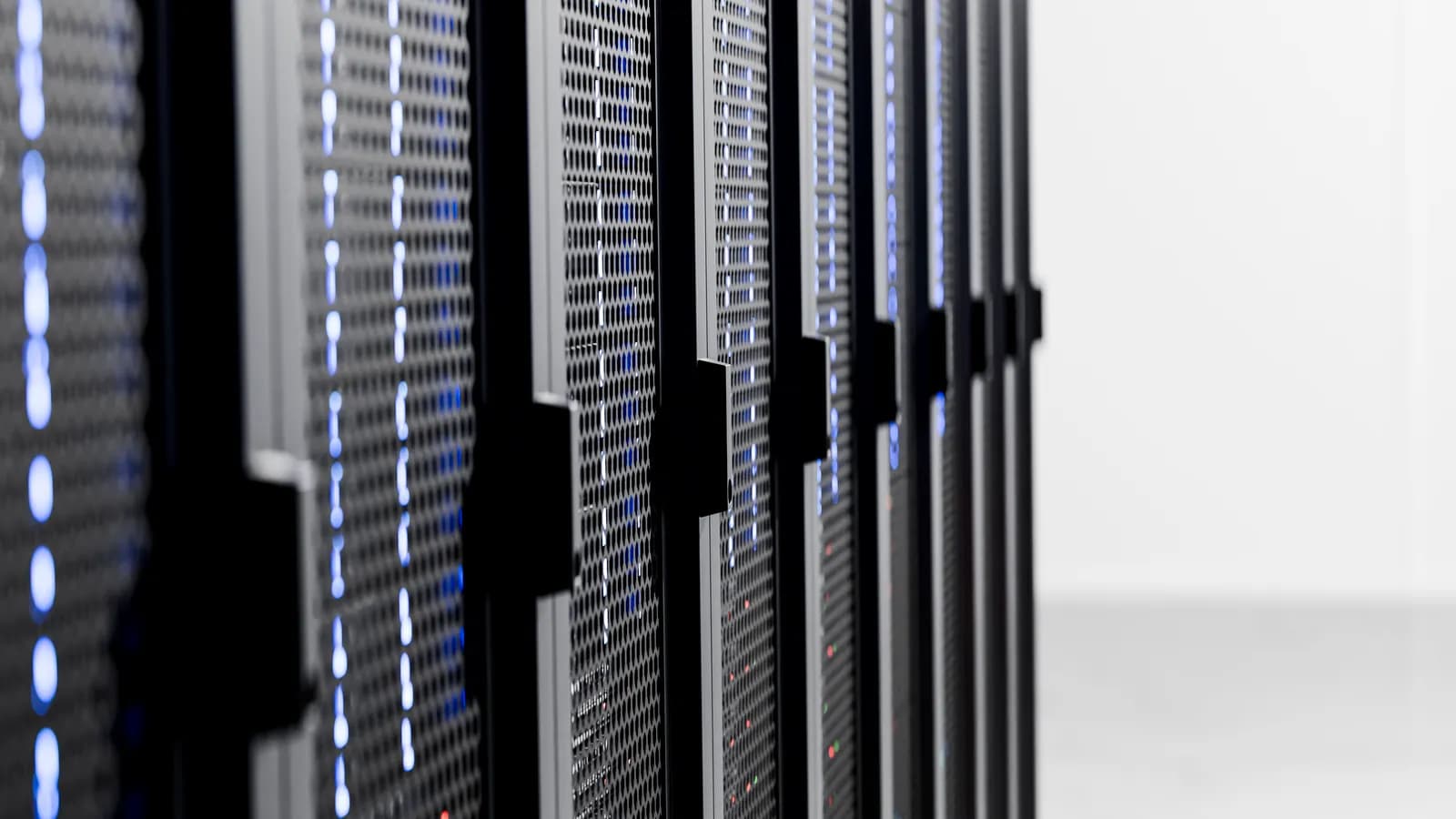
AI-driven e-waste generation is projected to surge, creating new challenges and opportunities for ITAD and recycling sectors.
The volume of e-waste from Artificial Intelligence (AI) infrastructure is projected to be significantly higher than previously estimated, fundamentally altering future recycling and IT Asset Disposition (ITAD) market dynamics.
This re-evaluation means ITAD operators and e-waste recyclers must immediately reassess their processing capabilities, material recovery strategies, and downstream partnerships to handle a new class of complex, high-value waste streams. Failure to adapt risks operational bottlenecks and missed revenue opportunities in a rapidly evolving sector.
AI Hardware Lifecycles Challenge Traditional E-Waste Models
Traditional e-waste projections have historically focused on consumer electronics and enterprise IT, underestimating the accelerated refresh cycles and specialized components within AI infrastructure. The intense computational demands of AI, particularly large language models (LLMs) and advanced machine learning, necessitate hardware upgrades far more frequently than standard data center equipment, leading to a quicker generation of end-of-life assets.
- AI servers often feature multiple high-performance Graphics Processing Units (GPUs), which contain significantly more precious metals and complex circuitry than standard CPUs.
- The average operational lifespan of a high-end AI accelerator is estimated to be 2-3 years, compared to 5-7 years for conventional data center servers.
- A single AI data center can house tens of thousands of GPUs, each weighing several pounds, creating a substantial mass of specialized e-waste.
- Cooling systems for AI infrastructure are also more elaborate, incorporating liquid cooling components that add to the material complexity of disposition.
- The global market for AI hardware is projected to reach $171.2 billion by 2029, indicating a massive future e-waste stream.
Data Security and IP Concerns Intensify ITAD Scrutiny
The nature of data processed and stored on AI hardware elevates data security and intellectual property (IP) concerns for ITAD providers. Sensitive training data, proprietary algorithms, and enterprise secrets residing on these devices require more stringent data sanitization protocols than typical enterprise hardware. This necessitates advanced wiping techniques and, in many cases, physical destruction of storage media to mitigate risk.
ITAD firms must invest in certified data destruction technologies compliant with evolving international standards, such as NIST 800-88 and ISO 27001, to meet client demands. The specialized components, including custom AI chips and high-bandwidth memory, also present unique challenges for component harvesting and re-marketing, forcing a re-evaluation of current valuation models and remarketing channels. Companies without robust, auditable destruction processes will lose market share.
What This Means for Recyclers
Recyclers must prepare for a significant influx of high-density, complex circuit boards and specialized materials. This requires investment in advanced shredding, separation, and refining technologies capable of efficiently recovering precious metals like gold, silver, copper, and palladium from GPUs and other AI accelerators. Developing partnerships with upstream ITAD providers and downstream refiners will be critical to maximize material recovery value and ensure environmentally sound processing as these volumes escalate.