Ricoh's new inkjet factory in Japan signals a strategic shift in manufacturing, impacting future e-waste streams and material recovery.
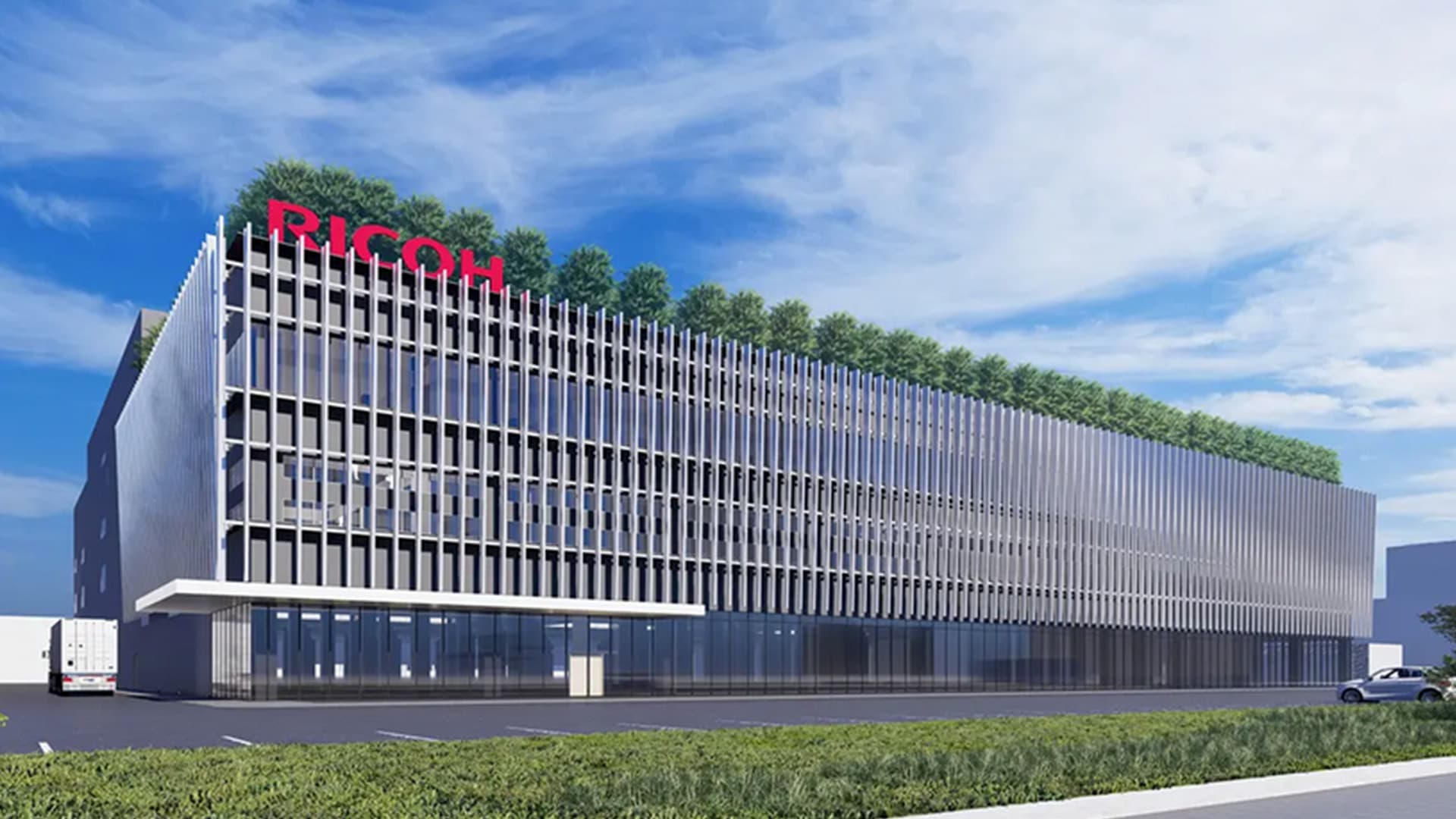
Ricoh will open a new inkjet manufacturing facility in Atsugi, Kanagawa Prefecture, Japan, in September 2026, consolidating production and R&D for its printhead and ink businesses.
This strategic investment by Ricoh, a major player in the global printer market, directly impacts the future composition and volume of e-waste, specifically imaging equipment, entering the recycling stream. ITAD professionals and e-waste processors must understand these manufacturing shifts to anticipate material changes and plan for end-of-life management.
Ricoh's Vertical Integration Strategy Targets Efficiency and Innovation
The new factory represents a significant move towards vertical integration for Ricoh, aiming to streamline its inkjet technology development and production. This consolidation is expected to enhance research capabilities for advanced printheads and inks, potentially leading to more complex, multi-material components in future products. The facility will also house offices and conference rooms, fostering closer collaboration between engineering and manufacturing teams.
- New facility opens: September 2026
- Location: Atsugi, Kanagawa Prefecture, Japan
- Consolidates: Printhead and ink manufacturing with R&D
- Expected outcome: Increased efficiency and accelerated innovation in inkjet technology
- Impact on product design: Likely to influence future printer component complexity and material use
Anticipating Future E-Waste Composition
Ricoh's emphasis on advanced inkjet technology and integrated production suggests a future where imaging devices may contain more sophisticated, proprietary components. This trend could challenge current dismantling and material separation processes for e-waste recyclers. Increased integration often means more difficult material recovery, particularly for specialized polymers, rare earth elements, and complex circuit boards found in printheads and ink delivery systems. ITAD operators should monitor these developments for their implications on asset valuation, data destruction, and component reuse potential, especially as printer lifecycles evolve.
What This Means for Recyclers
E-waste recyclers and ITAD providers must prepare for a potential increase in the complexity of imaging equipment. This factory investment signals Ricoh's long-term commitment to inkjet technology, meaning a steady, and possibly more intricate, stream of these products will enter end-of-life processing in the coming years. Operators should invest in advanced sorting and separation technologies and deepen their understanding of proprietary components to maximize material recovery and maintain compliance with evolving e-waste regulations. Collaboration with OEMs like Ricoh on design for recycling initiatives will become increasingly critical.