Reusable cup schemes, like Bristol's new deposit-free model, challenge traditional DRS structures and impact single-use waste.
Bristol, UK, launched a new app-free, deposit-free reusable cup scheme on September 23, 2026, aiming to eliminate single-use cup waste across the city.
This initiative directly challenges conventional Deposit Return Scheme (DRS) models, affecting waste management infrastructure and the market for single-use packaging. Its success or failure will inform future policy decisions regarding circular economy practices for food and beverage containers.
Bristol Tests Low-Barrier Reusable Cup Adoption
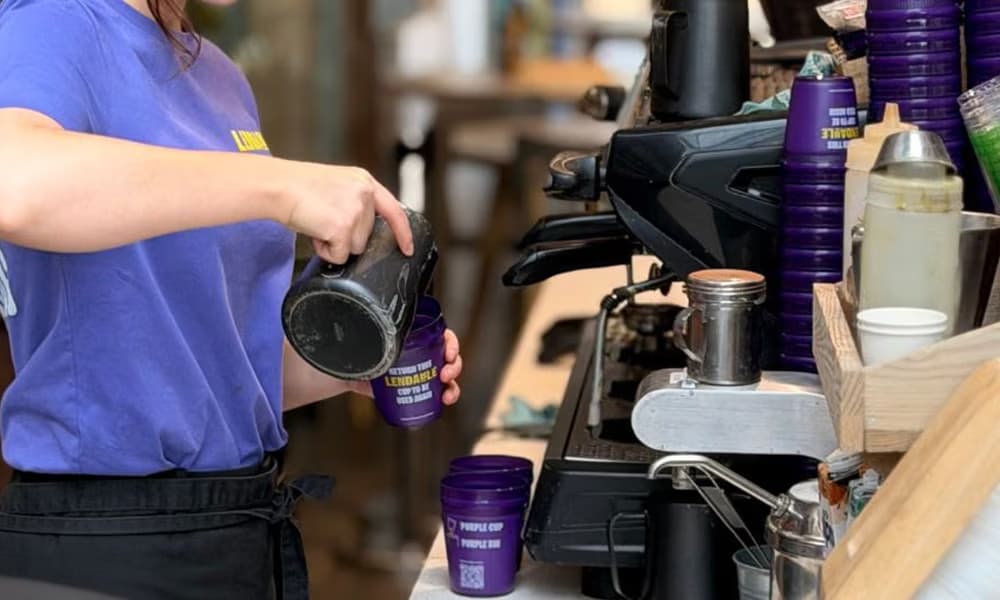
The "Lendable" scheme, led by the Bristol Waste Company and supported by the UK Government's Department for Environment, Food & Rural Affairs (DEFRA) via the Resource Action Fund, seeks to prove that removing financial and technological hurdles can significantly boost reusable packaging adoption. Participating cafes offer cups to customers at no upfront cost or app registration, relying on a simple return system.
- No deposit required, removing a key barrier for consumers.
- No app download, streamlining user experience and increasing accessibility.
- Initial rollout includes five independent cafes in Bristol.
- Supported by a £150,000 grant from DEFRA's Resource Action Fund.
- Aims to reduce single-use cup waste by over 50% in participating venues.
Operational Implications for Waste Management
Traditional waste operators and recyclers currently manage substantial volumes of single-use cups, which often present contamination challenges in commingled recycling streams. A successful shift to reusable systems, like Bristol's, would necessitate a re-evaluation of collection, sorting, and processing infrastructure. Investment in washing and redistribution logistics for reusable items would become paramount, potentially displacing existing single-use material recovery facilities (MRFs) or requiring significant retooling.
The scheme’s focus on local, independent cafes also highlights a potential fragmentation of reusable systems. Large chains often prefer centralized, app-based solutions, creating a complex operational environment for cities attempting city-wide circularity.
What This Means for Recyclers
This pilot represents a critical data point for the future of packaging waste. If deposit-free, app-free models prove scalable, they could drastically reduce the feedstock available for single-use cup recycling. Recyclers currently handling plastic or paper cups should monitor these trials closely. A widespread adoption of such schemes would shift focus from material recovery to system design for reuse, including cleaning, logistics, and quality control for durable items. It signals a potential long-term contraction in single-use packaging recycling volumes, urging recyclers to diversify services or invest in infrastructure for reusable programs.