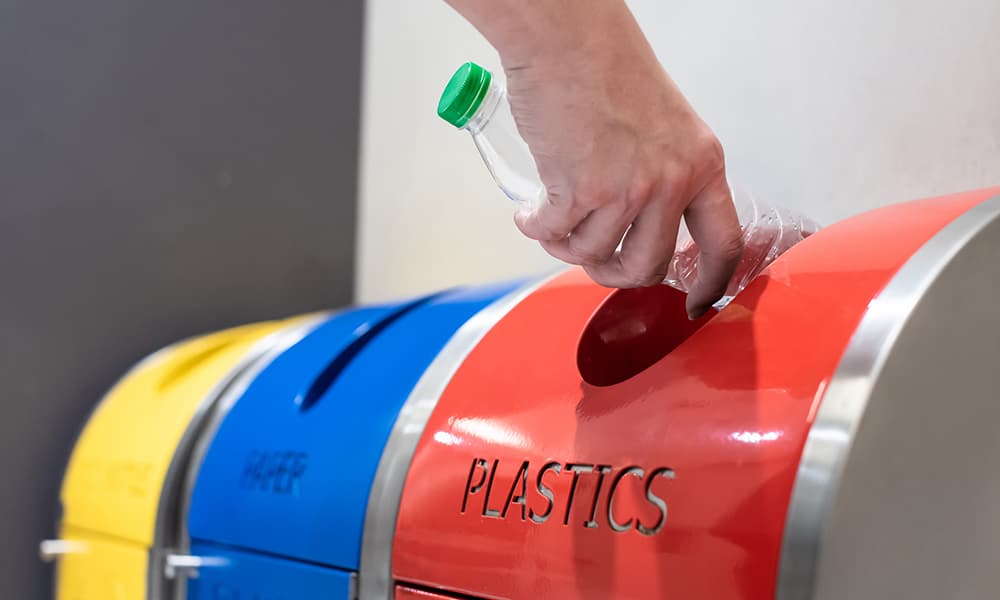
Recycling collection systems need fundamental redesign to boost recovery rates and reduce contamination for MRFs.
Current recycling collection systems, predominantly single-stream, deliver contamination rates averaging 25% to 30%, severely impacting material recovery facility (MRF) efficiency and end-market value.
This systemic issue costs municipalities and private haulers millions annually in processing fees and lost revenue, while undermining the economic viability of recycling programs nationwide. MRFs bear the brunt of these inefficiencies, struggling to meet quality specifications for baled commodities.
Rethinking Curbside Strategies for MRF Viability
The prevailing single-stream model, while convenient for residents, places an unsustainable burden on downstream processing. Experts advocate for a fundamental re-evaluation of collection methodologies to improve material quality at the source, directly benefiting MRF operations and commodity markets.
- Dual-stream collection, separating fibers from containers, significantly reduces contamination, often bringing rates below 10%.
- Pilot programs in cities like St. Paul, Minnesota, and Auburn, Alabama, demonstrate improved material quality and reduced processing costs with multi-stream approaches.
- Extended Producer Responsibility (EPR) schemes, particularly for packaging, could incentivize producers to design for recyclability and fund improved collection infrastructure.
- Advanced optical sorters and AI-driven robotics at MRFs can mitigate some contamination, but cannot fully compensate for poor source separation.
- Public education campaigns, while important, have shown limited long-term impact on contamination rates when not coupled with systemic collection changes.
The Economic Imperative for Systemic Change
The economic pressure on MRFs is intense. High contamination translates directly into increased operating costs for sorting, residue disposal, and the devaluation of commodities. For example, a 5% increase in acceptable material yield can swing a MRF's profitability from loss to gain on a given tonnage. Municipalities face rising tip fees from MRFs attempting to offset these costs, or resort to landfilling recyclables when quality is too low. This creates a vicious cycle where perceived recycling failures erode public trust and political will for investment.
What This Means for Recyclers
Recyclers, particularly MRF operators, must advocate for and actively participate in the redesign of collection systems. This includes collaborating with municipalities on dual-stream pilots, pushing for state-level EPR legislation that funds infrastructure upgrades, and educating policymakers on the direct link between collection methods and material quality. The future profitability of commodity sales hinges on delivering cleaner bales, requiring a shift from processing whatever arrives to actively influencing what gets collected.