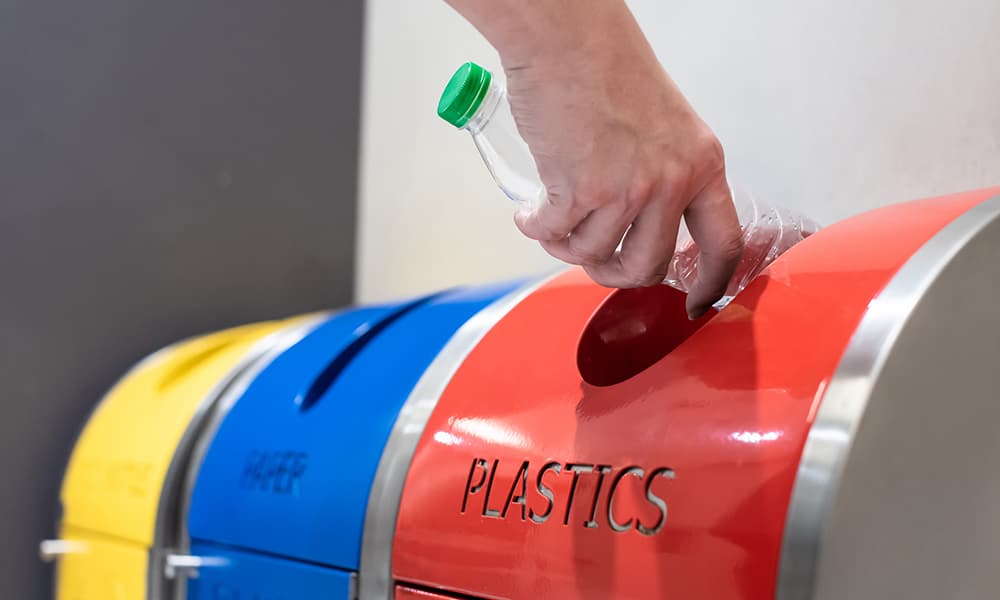
US recycling construction projects, particularly in metals and batteries, represent a significant capital injection for the sector.
New construction projects for metal and battery recycling facilities in the United States represent a significant capital investment, totaling hundreds of millions of dollars in new infrastructure. This surge in domestic processing capacity signals a strategic shift towards supply chain resilience and reduced reliance on foreign markets for critical materials.
The increased investment affects scrap metal traders, battery recyclers, and policy makers focused on energy transition. It creates new demand for feedstock and operational challenges related to scaling up advanced recycling technologies within the US borders.
Domestic Processing Capacity Surges for Critical Materials
Recent project announcements highlight a concerted effort to expand US-based recycling capabilities, driven by economic incentives and national security concerns surrounding raw material access. These investments aim to capture more value domestically from end-of-life products and industrial scrap.
- Several new lithium-ion battery recycling plants are under construction or in advanced planning stages across the Southeast and Midwest.
- Steelmakers are investing in electric arc furnace (EAF) mini-mills, increasing demand for ferrous scrap within the US.
- A major copper recycling expansion in Arizona will boost domestic production by tens of thousands of tons annually.
- Government grants and private equity are fueling these developments, with some projects receiving over $100 million in combined funding.
- The focus extends beyond traditional metals to include critical minerals from e-waste and advanced batteries, aiming for a closed-loop economy.
Policy Drivers and Supply Chain Resilience
Legislation like the Infrastructure Investment and Jobs Act (IIJA) and the Inflation Reduction Act (IRA) directly incentivizes these domestic recycling investments. These policies aim to secure critical material supply chains and reduce carbon footprints associated with virgin material extraction and long-distance transport. The emphasis on US-sourced content for electric vehicle batteries and renewable energy components directly benefits domestic recyclers who can provide these materials.
Companies like Redwood Materials and Cirba Solutions are expanding rapidly, citing strong policy support and growing demand from automotive manufacturers. This creates a competitive environment for feedstock acquisition, impacting existing scrap processors and collectors. Smaller operators must assess integration opportunities or risk being outmaneuvered by larger, vertically integrated players.
What This Means for Recyclers
Recyclers must prepare for increased competition for material inputs and a heightened focus on purity and processing efficiency. Investments in advanced sorting technologies and specialized processing lines for batteries and complex alloys will become essential. Strategic partnerships with original equipment manufacturers (OEMs) and battery producers will offer secure feedstock channels and long-term stability in a rapidly evolving market.