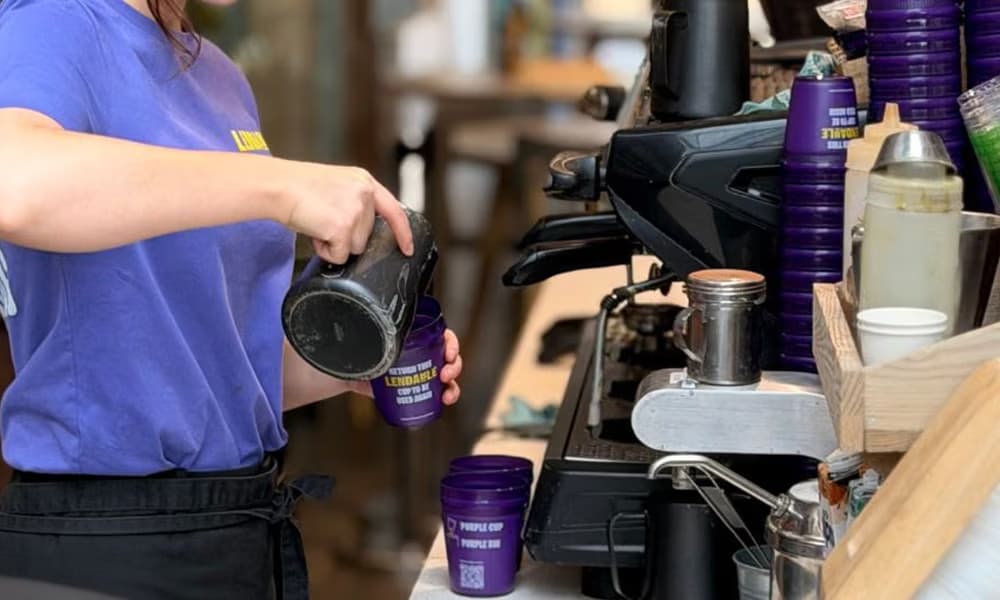
Michigan Stadium implements reusable cup program, setting a new standard for waste reduction in collegiate sports.
Michigan Stadium, home to the University of Michigan Wolverines, has launched a reusable cup program, making it the first collegiate sports venue in Michigan to implement such a system.
This initiative directly impacts waste management operations for large-scale events, signaling a potential shift in how major venues approach single-use plastics and creating new demands for reverse logistics and washing infrastructure within the state.
Collegiate Sports Venues Tackle Single-Use Waste
The move by Michigan Stadium, the largest stadium in the United States by capacity at 107,601, reflects a broader trend among high-attendance venues to reduce their environmental footprint. This program aims to divert thousands of single-use plastic cups from landfills during each event.
- The program debuted during the 2024 college football season.
- Cups are collected at designated return points throughout the stadium.
- A third-party logistics and washing partner manages cup sanitation and redistribution.
- The University of Michigan aims for a 90% diversion rate from landfills by 2025 across all operations.
Operational Implications for Event Waste Management
Implementing a reusable cup system at a venue of Michigan Stadium's scale introduces significant operational changes for waste management companies and facility staff. Traditional waste streams are altered, requiring new collection protocols, sorting procedures, and partnerships with specialized washing facilities. This shift demands investment in new infrastructure for cup collection and transportation, away from simply compacting and hauling away single-use plastics.
For stadium operators, the initial capital expenditure for reusable cups and the ongoing costs of washing and logistics must be weighed against the long-term benefits of reduced waste disposal fees and enhanced sustainability branding. This also necessitates fan education campaigns to ensure proper cup return rates, directly impacting the program's economic viability and environmental effectiveness.
What This Means for Recyclers
While directly reducing the volume of plastic for conventional recyclers, this trend simultaneously creates new opportunities in reverse logistics and commercial washing services. Recyclers with existing infrastructure for materials handling could pivot to offer collection and transport for reusable programs. Furthermore, the long-term lifecycle of these reusable cups, typically made from durable polypropylene, will eventually require specialized recycling streams for their end-of-life, creating a future market for high-grade plastic recovery. Operators should monitor the material composition of these reusable cups and consider partnerships with large-scale event venues and their sustainability partners for future recycling contracts.