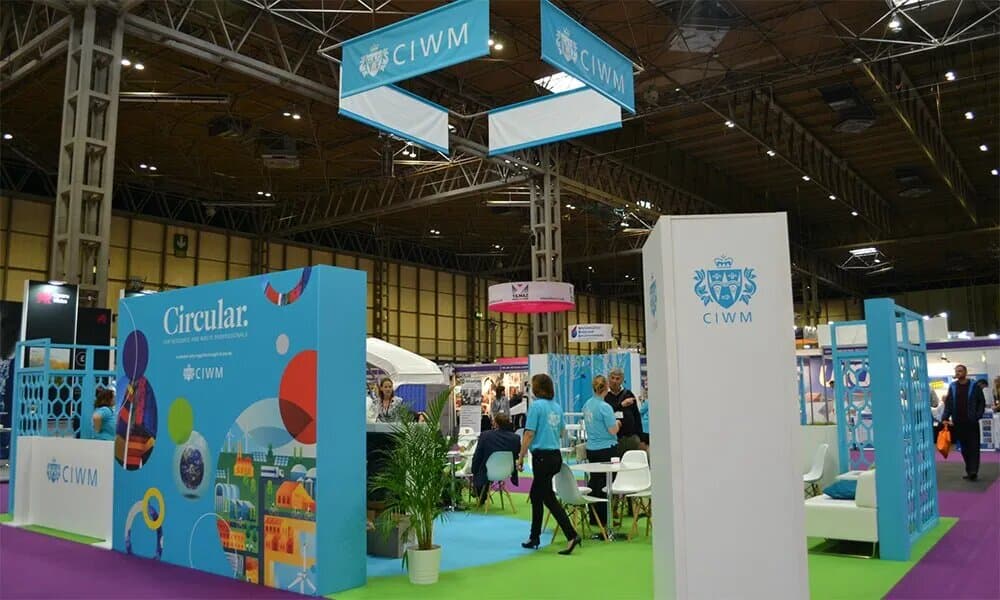
RWM 2026 conference highlights critical shifts in circular economy strategies and resource management for UK waste professionals.
The RWM 2026 conference, held September 16, 2026, underscored a significant pivot in UK waste management towards localized circular economy initiatives and enhanced resource recovery.
This shift directly impacts municipal recycling programs, private waste operators, and material recovery facilities (MRFs), demanding new infrastructure investments and operational adjustments to meet evolving policy goals.
Local Authorities Drive UK Circular Economy Investment
Local authorities emerged as central figures in the UK's accelerated push for circularity, with discussions at RWM 2026 focusing on their expanded role in material collection, processing, and end-market development. The emphasis has moved beyond simple diversion rates to genuine resource retention within regional economies.
- 80% of UK local authorities now have specific circular economy targets integrated into waste strategies.
- New government funding streams, totaling £150 million, are earmarked for localized material reprocessing infrastructure by 2028.
- Councils report increased collaboration with private sector partners for advanced sorting technologies and anaerobic digestion facilities.
- The Department for Environment, Food & Rural Affairs (Defra) confirmed an upcoming consultation on mandatory kerbside collections for a wider range of materials, including textiles and small WEEE.
Compliance Timelines Tighten for UK Waste Handlers
Operational frameworks for waste management companies face imminent changes, driven by stricter compliance enforcement and a focus on material quality. The Environment Agency signaled increased scrutiny on contamination rates in collected recyclables.
Operators must invest in advanced sorting equipment and improved data tracking to meet anticipated quality thresholds. Those failing to adapt risk penalties and reduced access to processing contracts. The tightening regulations aim to bolster the UK's domestic reprocessing capacity, reducing reliance on export markets for recovered materials.
What This Means for Recyclers
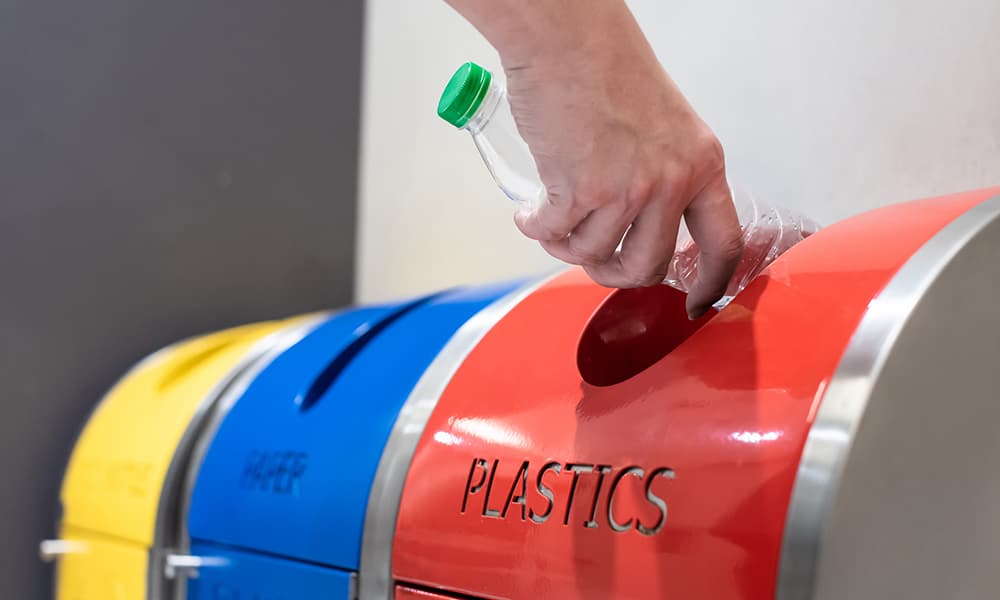
Recyclers must prepare for both increased material streams and more stringent quality requirements. Investment in optical sorters, AI-driven separation, and robust quality control protocols will become non-negotiable. Partnerships with local authorities and engagement in regional circular economy clusters will be crucial for securing feedstock and developing stable end-markets.