RecyclerDaily
Latest
Electrical Recycling Fund commits over £565,000 to 15 new pilots
Home›E-Waste›Electrical Recycling Fund commits over £565,000 to 15 new pilots
E-Waste·RecyclerDaily Staff··2 min read

Electrical Recycling Fund commits over £565,000 to 15 new pilots

Electrical Recycling Fund commits £565,000 to 15 UK WEEE collection pilots, impacting e-waste recovery efforts.

The Electrical Recycling Fund (ERF) has allocated over £565,000 to 15 new pilot projects across the United Kingdom, targeting increased WEEE collection. This significant investment aims to bolster domestic e-waste recovery rates, impacting collection schemes and downstream processing operations. The funding directly addresses the persistent challenge of uncollected Waste Electrical and Electronic Equipment (WEEE), a critical issue for compliance schemes and recyclers struggling to meet targets. Operators across the UK, from municipal waste facilities to private processors, will experience the direct effects of these new collection initiatives.

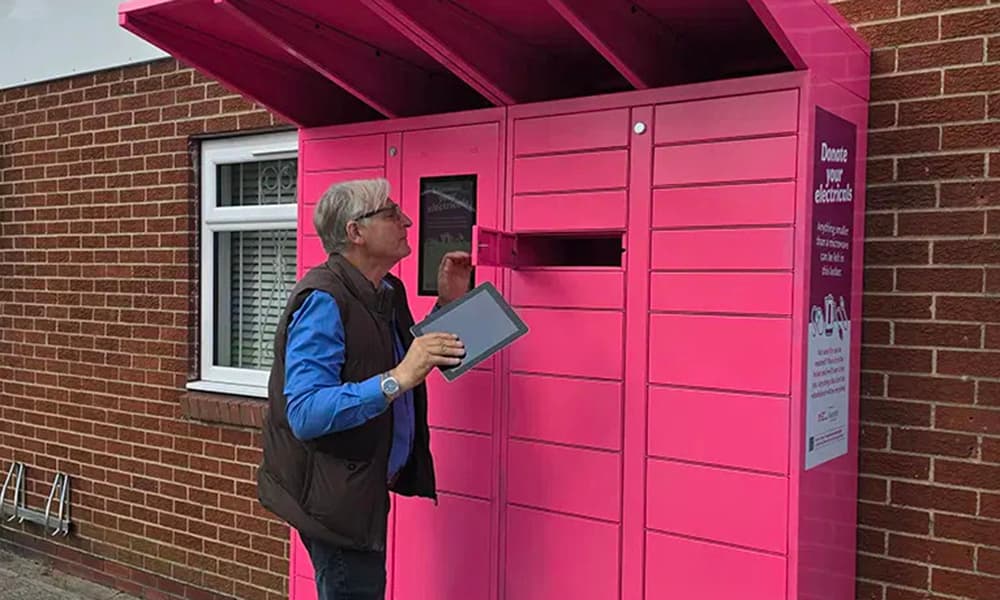
UK WEEE Collection Pilots Aim to Boost Recovery Rates

The ERF's commitment follows a period of stagnant or declining WEEE collection rates in the UK, despite growing consumer electronics consumption. These pilot programs represent a strategic push to innovate collection methodologies and engage communities more effectively in e-waste recycling. The funding supports diverse approaches, from enhanced kerbside collections to dedicated drop-off points and public awareness campaigns. * The ERF has committed £565,000 in total funding. * 15 new pilot projects will receive grants. * Projects focus on improving WEEE collection infrastructure and public engagement. * The initiative aims to address the significant volume of small WEEE currently not recycled. * Funding will support trials in various geographic and demographic settings across the UK.

Operational Implications for UK E-Waste Processors

These new pilot programs will directly influence the supply chain for UK e-waste processors. An increase in collected WEEE, particularly small domestic appliances and consumer electronics, will necessitate adaptations in sorting, dismantling, and material recovery operations. Processors should anticipate a potential shift in the composition of incoming feedstock, requiring flexibility in their processing lines. The success of these pilots could also inform future policy decisions regarding extended producer responsibility (EPR) schemes and collection targets, potentially leading to more stringent requirements for all stakeholders.

What This Means for Recyclers

Recyclers in the UK should monitor the progress of these 15 pilot projects closely. Successful models will likely scale, leading to a more consistent and potentially higher volume of WEEE entering the recycling stream. This could stabilize feedstock availability but also intensify competition for processing contracts. Operators should evaluate their current capacity for small WEEE and consider investments in advanced sorting technologies to efficiently handle the anticipated increase in complex material streams. Proactive engagement with local authorities and collection schemes involved in these pilots could secure future supply agreements.
ShareLinkedInXFacebook