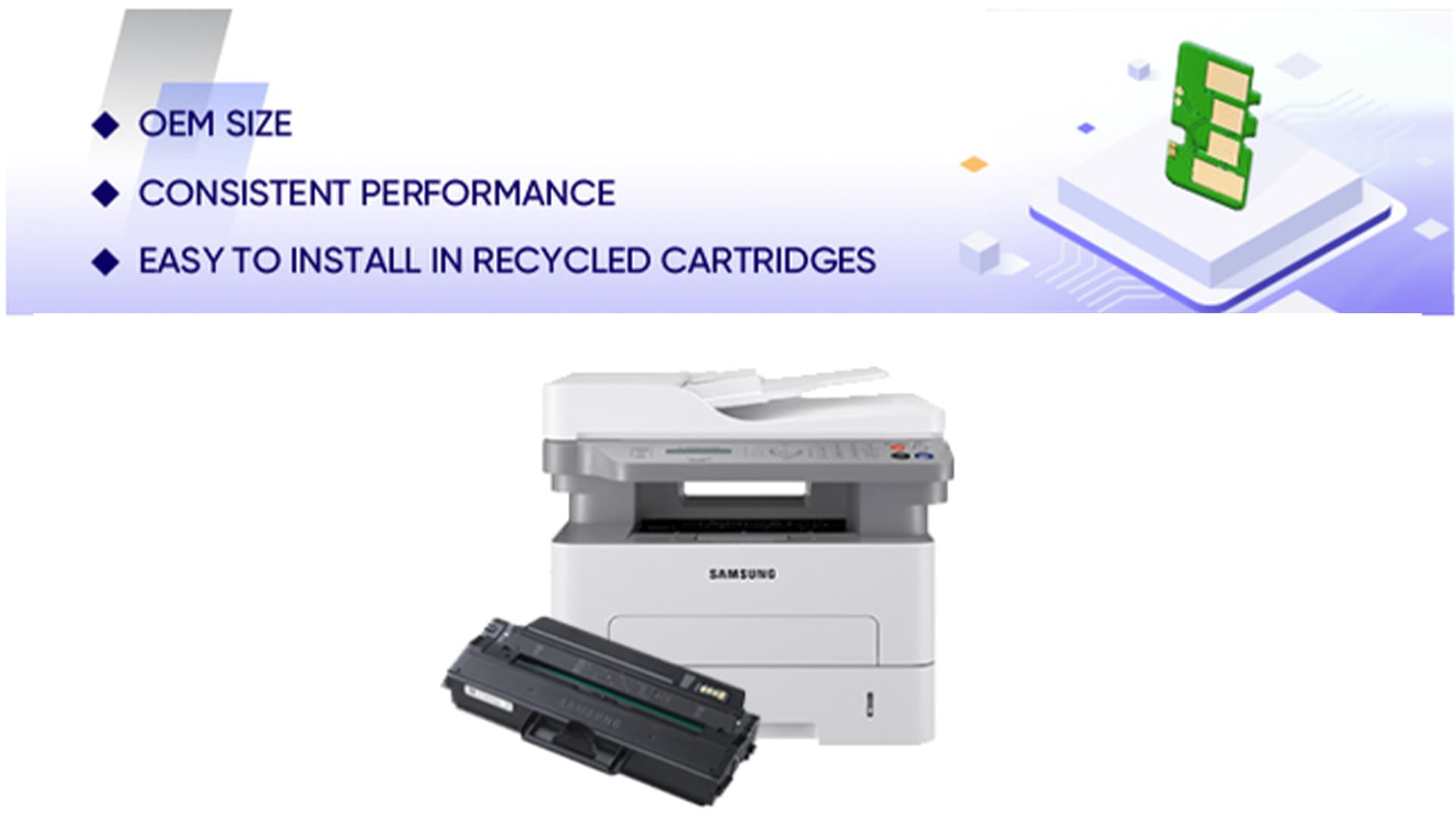
Apexmic's new Samsung replacement chips present a critical challenge for ITAD and e-waste operators managing device lifecycles.
Apexmic has launched a new line of replacement chips for Samsung toner cartridges, directly impacting the aftermarket for printer consumables and the reverse logistics of imaging equipment.
This development immediately affects IT asset disposition (ITAD) firms and e-waste recyclers who manage end-of-life office equipment, particularly as OEM restrictions on repairs and parts become more stringent. The availability of third-party components influences equipment residual values and the viability of refurbishment programs.
Aftermarket Parts Reshape Printer Recycling Economics
The introduction of these non-OEM chips comes as ITAD providers increasingly face pressure from OEMs to limit the use of non-original parts in refurbishment. This move by Apexmic creates a direct alternative to costly OEM components, potentially extending the operational life of Samsung printers and altering the calculus for recycling versus repair.
- Apexmic's new chips target Samsung toner cartridges, including models for the MLT-D111S and CLT-K404S series.
- The company emphasizes "stable performance" and "cost-effectiveness" as key differentiators for its products.
- The launch follows a trend of increasing aftermarket competition in the printer consumables sector, driven by demand for lower-cost alternatives.
- OEMs like Samsung have historically used chip technology to control cartridge refills and validate authenticity, impacting third-party remanufacturers.
ITAD Device Valuation Shifts with Component Availability
ITAD operators must now re-evaluate their assessment models for Samsung printing devices. Widespread availability of affordable, non-OEM replacement chips can significantly alter the economic viability of refurbishing older units. Devices previously destined for shredding due to prohibitive OEM part costs may now hold greater value for resale or redeployment, especially in markets sensitive to acquisition price.
This shift demands closer scrutiny of secondary market demand for refurbished printers and the cost-benefit analysis of using third-party components. Operators must also navigate potential warranty implications and client perceptions regarding non-OEM parts, balancing cost savings with performance expectations.
What This Means for Recyclers
E-waste recyclers and ITAD firms should anticipate a potential delay in the end-of-life cycle for certain Samsung printer models. Increased repairability, driven by accessible aftermarket parts, means fewer units may enter the recycling stream as quickly. This necessitates a strategic re-evaluation of material flow projections and processing capacities for imaging equipment, while also presenting opportunities for those with refurbishment capabilities to capture greater value from incoming assets.