Wind farm decommissioning achieves 99.9% reuse and recycling, setting a new benchmark for renewable energy infrastructure.
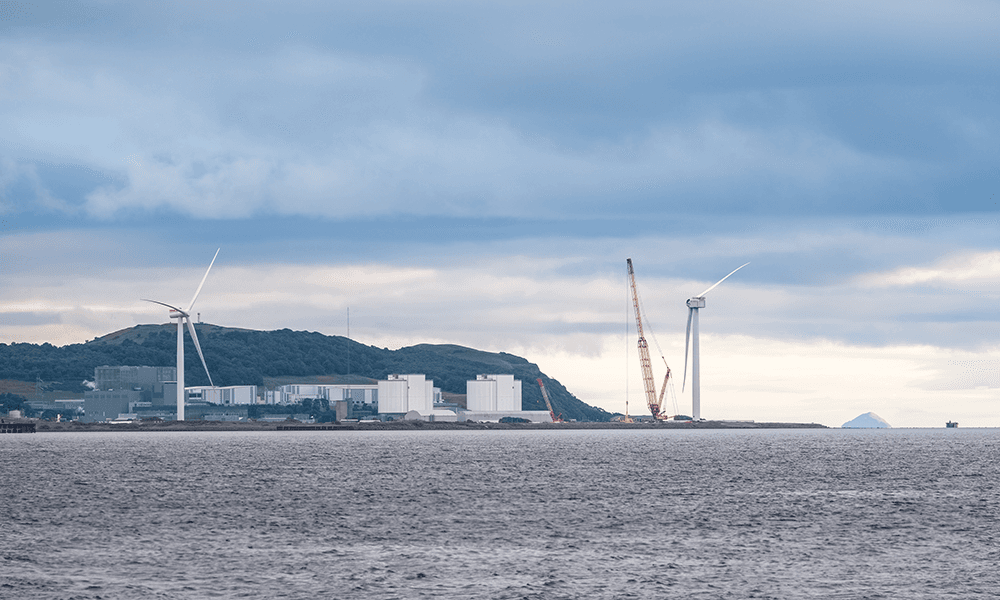
ScottishPower achieved a 99.9% combined reuse and recycling rate for materials from the decommissioning of its Hagshaw Hill wind farm in South Lanarkshire, establishing a new industry benchmark for end-of-life renewable energy infrastructure.
This unprecedented recovery rate, verified by an independent Mott MacDonald report, directly challenges previous assumptions about the recyclability of wind turbine components and signals a critical shift in how large-scale renewable energy assets can be managed at their end-of-life, impacting specialized demolition contractors, materials recovery facilities, and scrap metal processors globally.
Decommissioning Hagshaw Hill: A Circular Economy Blueprint
The Hagshaw Hill project involved the dismantling of 26 original turbines and their associated infrastructure, representing a substantial volume of composite materials, steel, copper, and concrete. The high recovery rate demonstrates that with strategic planning and dedicated investment, complex industrial assets can achieve near-total material circularity.
- 99.9% combined reuse and recycling rate achieved for all materials.
- 79.5% of materials were recycled, primarily metals and concrete aggregates.
- 20.4% of materials were reused, extending the life of components like foundations and access roads.
- Decommissioning involved 26 wind turbines and their associated components.
- Mott MacDonald provided independent verification of the recovery metrics.
Operationalizing High Recovery Rates in Complex Decommissioning
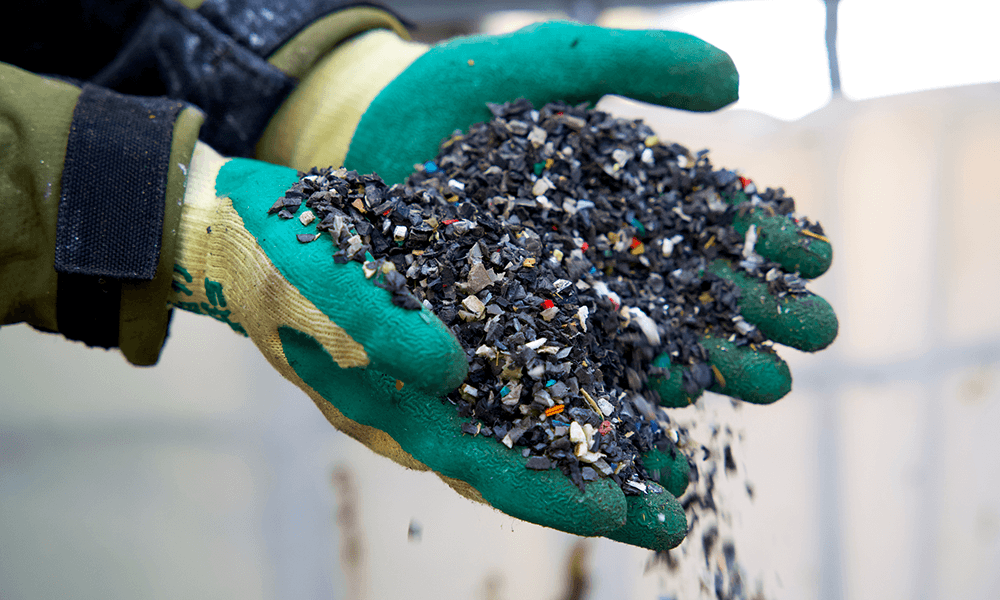
Achieving such a high recovery rate required meticulous planning and specialized processing capabilities. The project focused on segregating materials at the source, identifying viable reuse pathways for large components, and leveraging advanced recycling technologies for composite materials that historically posed significant challenges. This contrasts sharply with typical demolition projects where mixed waste streams often lead to lower recovery percentages and increased landfill dependence. The success at Hagshaw Hill implies a need for greater collaboration between energy developers, specialized demolition firms, and material processors to establish robust circular supply chains for renewable energy assets.
What This Means for Recyclers
This achievement by ScottishPower sets a new expectation for wind farm decommissioning and will likely influence future regulatory frameworks and industry best practices. Recyclers should prepare for an increased demand for advanced material separation and processing technologies, particularly for fiberglass and composite turbine blades. Operators investing in these specialized capabilities will be well-positioned to capitalize on the growing volume of renewable energy infrastructure reaching its end-of-life.