RecyclerDaily
Latest
BP to sell landfill RNG business Archaea Energy
HomeSustainabilityBP to sell landfill RNG business Archaea Energy
Sustainability·RecyclerDaily Staff··2 min read

BP to sell landfill RNG business Archaea Energy

BP is selling its Archaea Energy landfill gas business, signaling a strategic shift away from dedicated RNG production assets.

BP will divest its Archaea Energy landfill gas business, acquired in 2022 for $3.3 billion, as part of a broader portfolio re-evaluation. This move signals BP's strategic shift away from direct ownership of dedicated renewable natural gas (RNG) production assets, even as it maintains a commitment to the broader bioenergy sector. The decision impacts the nascent but growing landfill-to-energy market and prompts questions about future investment models in the waste-to-value chain.

RNG Market Dynamics Drive BP's Divestment

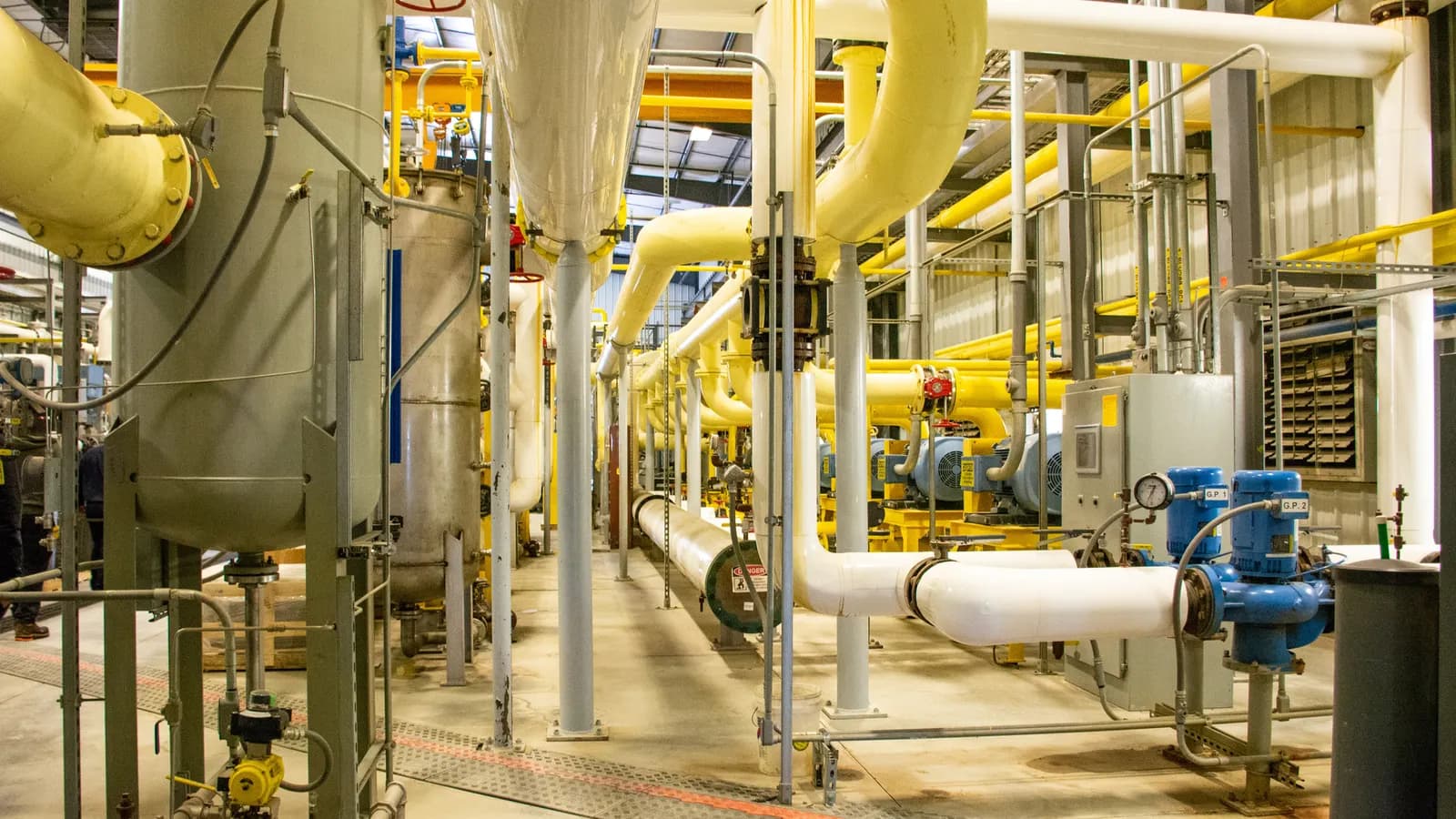
BP’s acquisition of Archaea Energy, completed in December 2022, positioned the energy major as a significant player in the RNG space, aiming to capture methane emissions from landfills and agricultural waste. This divestment occurs less than two years after the initial purchase, indicating a rapid recalibration of BP's bioenergy strategy amid evolving market conditions and internal capital allocation priorities. * BP acquired Archaea Energy for approximately $3.3 billion in cash, including assumed debt. * The acquisition was intended to boost BP's bioenergy division, targeting 50,000 barrels of oil equivalent per day (boe/d) of biogas by 2030. * Archaea operates across 37 landfill gas-to-RNG facilities in the United States. * The sale includes all of Archaea's existing operational assets and development pipeline. * BP’s updated strategy emphasizes hydrogen, sustainable aviation fuel (SAF), and offshore wind, with a more selective approach to bioenergy.

Implications for the Landfill-to-Energy Sector

The sale introduces uncertainty for the landfill-to-energy sector, which relies on significant capital investment for project development and infrastructure. While BP's exit from direct ownership does not diminish the environmental benefits of capturing landfill methane, it suggests that large integrated energy companies may prefer partnership models or off-take agreements over direct asset management in this specific segment. This could open opportunities for specialized waste management firms or private equity funds focused on environmental infrastructure.

What This Means for Recyclers

Recycling and waste management operators involved in landfill operations should monitor this divestment closely. BP's move indicates that while the demand for RNG remains strong, particularly with incentives like the Inflation Reduction Act, the operational complexities and capital intensity of dedicated landfill gas projects may be driving large players towards different investment structures. This could lead to new partnerships or acquisition opportunities for smaller, more agile firms specializing in waste-to-energy solutions, potentially increasing competition for landfill gas rights or offering new avenues for collaboration on methane capture projects.
ShareLinkedInXFacebook