California's landmark plastic packaging law faces legal challenge from 17 states, impacting national recycling infrastructure and corporate compliance.
Seventeen US states have formally challenged California’s landmark Plastic Pollution Prevention and Packaging Producer Responsibility Act (SB 54), arguing the law violates the Interstate Commerce Clause of the US Constitution.
This legal action, spearheaded by Kentucky Attorney General Russell Coleman, threatens to disrupt the nation's most ambitious extended producer responsibility (EPR) scheme for plastic packaging, creating significant uncertainty for manufacturers, retailers, and recycling infrastructure developers nationwide.
Multi-State Coalition Alleges Unconstitutional Overreach
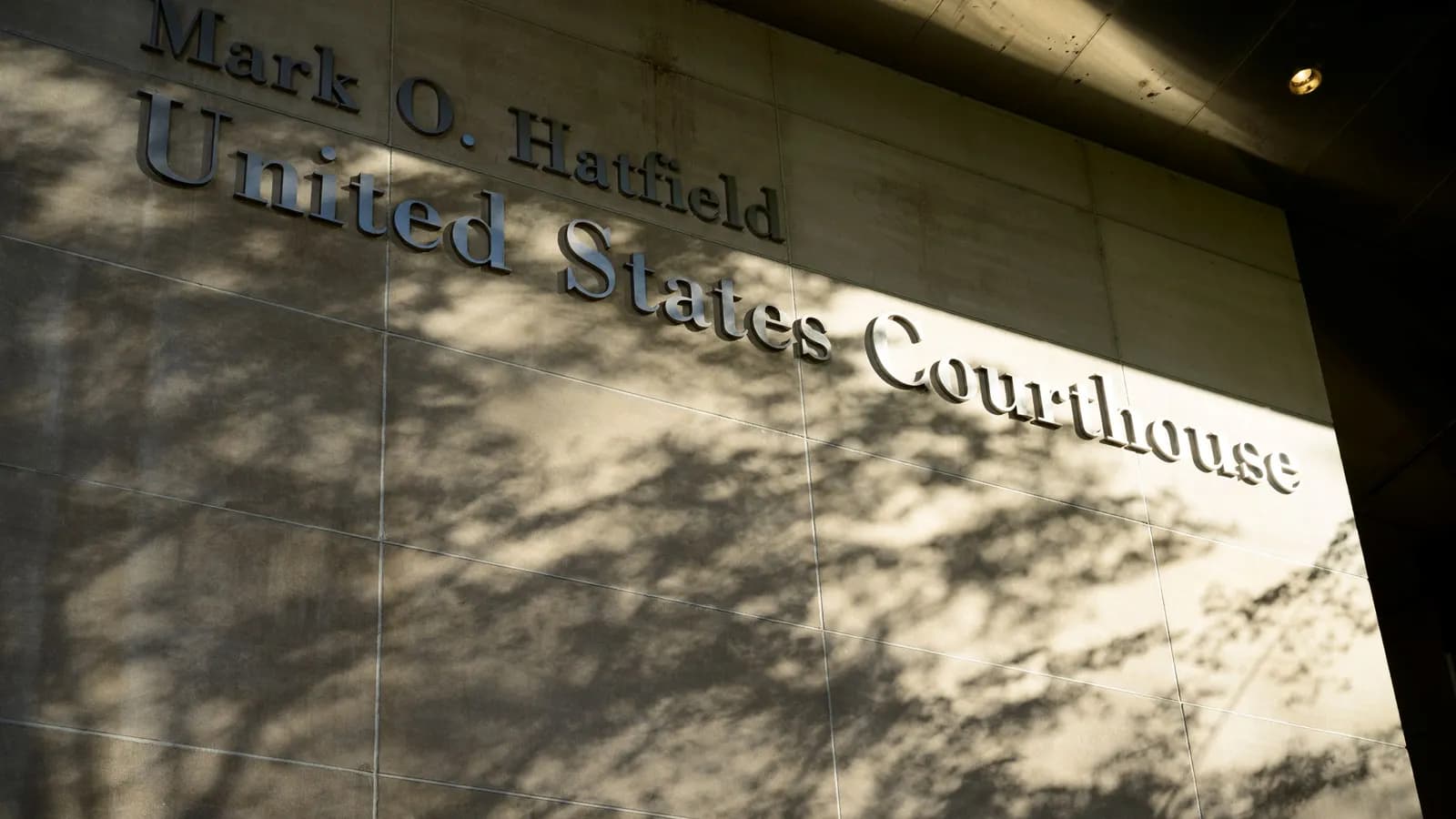
The coalition of states, which filed their complaint in a Kentucky federal court on May 15, 2024, asserts that SB 54 dictates manufacturing and recycling standards far beyond California’s borders. They contend the law effectively forces companies operating nationally to conform to California-specific requirements, thereby burdening interstate commerce and infringing on other states' sovereign rights to regulate their own waste management policies.
- The complaint names the State of California, Governor Gavin Newsom, and CalRecycle as defendants.
- SB 54 mandates that all plastic packaging sold in California must be 100% recyclable or compostable by 2032.
- The law also requires a 65% recycling rate for plastic packaging by 2032, escalating from 30% by 2028.
- Producers must pay fees into a fund generating $5 billion over 10 years to support recycling infrastructure and mitigate plastic pollution.
- The challenging states include Kentucky, Arkansas, Colorado, Florida, Georgia, Idaho, Indiana, Iowa, Louisiana, Mississippi, Missouri, Montana, New Hampshire, Oklahoma, South Carolina, South Dakota, and Utah.
Compliance Timelines and Market Disruption
The lawsuit introduces substantial risk into the compliance timelines for consumer brands and packaging manufacturers. Many companies have already begun retooling operations and supply chains to meet SB 54's stringent requirements, including investments in new materials and recycling technologies. A successful challenge could invalidate these efforts or force a bifurcated compliance strategy, creating a complex and costly regulatory environment. The legal battle could also deter other states from pursuing similar ambitious EPR legislation, stifling the broader movement towards producer responsibility for packaging waste.
What This Means for Recyclers
Recycling operators, particularly those handling plastics, face increased market volatility. Investments in advanced sorting, reprocessing, and chemical recycling technologies, driven in part by SB 54's targets, could be jeopardized or delayed. The outcome will dictate the pace and direction of plastic recycling infrastructure development across the US, influencing material demand, processing capacity, and the availability of recycled content for manufacturers. Operators should monitor this legal challenge closely, as it will shape the regulatory landscape and investment climate for plastic recycling for the foreseeable future.